
You Can't Run Before You Can Walk (And Neither Can Your Design)

ou’ve probably heard this before. You’ve probably even said it yourself once or twice.
“You can’t run before you can walk”
Babies, of course, know this instinctively. They go from flailing arms and legs, being completely dependent on their caregiver, to rolling over, to sitting up, eventually learning to crawl (or in the case of my son, doing some weird zombie shuffle dragging his legs behind him), to their wobbly first steps and finally sprinting away from you as toddlers when your back is turned for two seconds.
The above sequencing demonstrates the meaning of the phrase well.
You need to master the basics before you can achieve more complex tasks.
The design process is no different.
We live in a world where technology has advanced so greatly and AI has risen so rapidly. Where your next dopamine hit and instant satisfaction is only one click, swipe, or scroll away. Where people's tolerance for waiting is diminished. It's easy to assume the design process should provide instant answers too. That a highly resolved design or photographic looking image of your building, interior or product is just a prompt and click away - right?
For the most part, you will get a lovely-looking picture. But it won’t be resolved. It won’t have integrated the findings from extensive research nor looked at how the design will impact the humans you are trying to design for.
The design process is there for a reason. It allows designers to crawl, walk, then run on a project to ensure the best outcomes for their clients and if designing for a commercial client, their businesses.
So what is the design process?
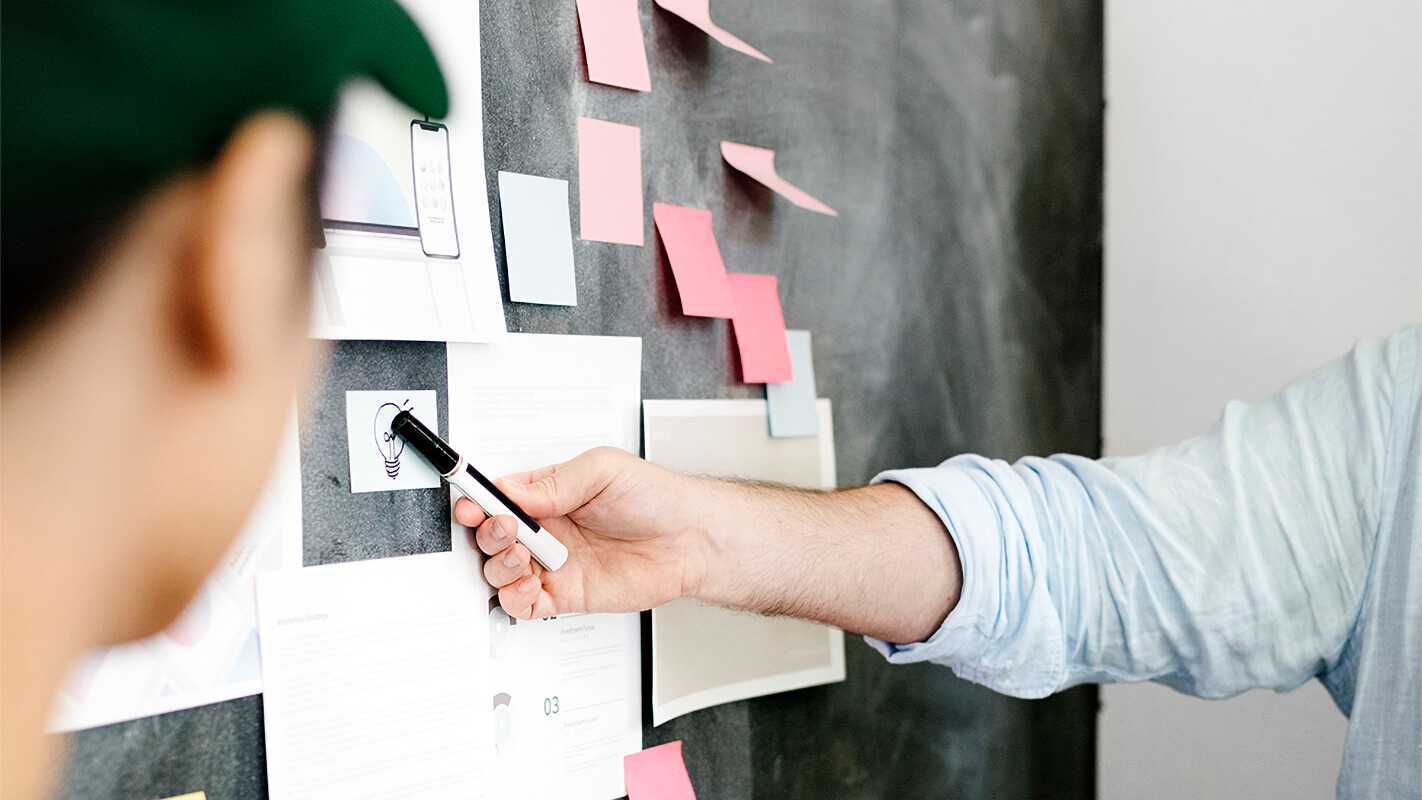
01 Discovery a.k.a The Rolling Over Phase
In this first phase, we immerse ourselves in your business, goals, and customers. Through research and site analysis, we craft a clear strategy to shape the creative direction, ensuring every decision aligns with your purpose whether we're designing your brand, your space, or both.
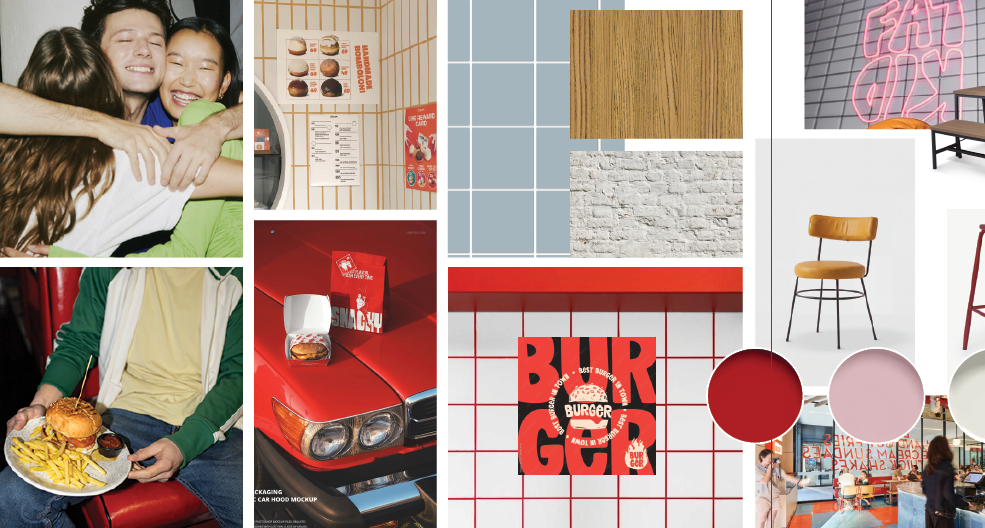
02 Concept Design a.k.a The Sitting Up Phase
Here, ideas start to come to life. Using our Discovery findings, look and feel mood boards, sketching, and basic modelling, we explore multiple concepts to find the designs that best express your identity and connect with your audience. This is a highly collaborative phase combining our creative expertise with your business knowledge.
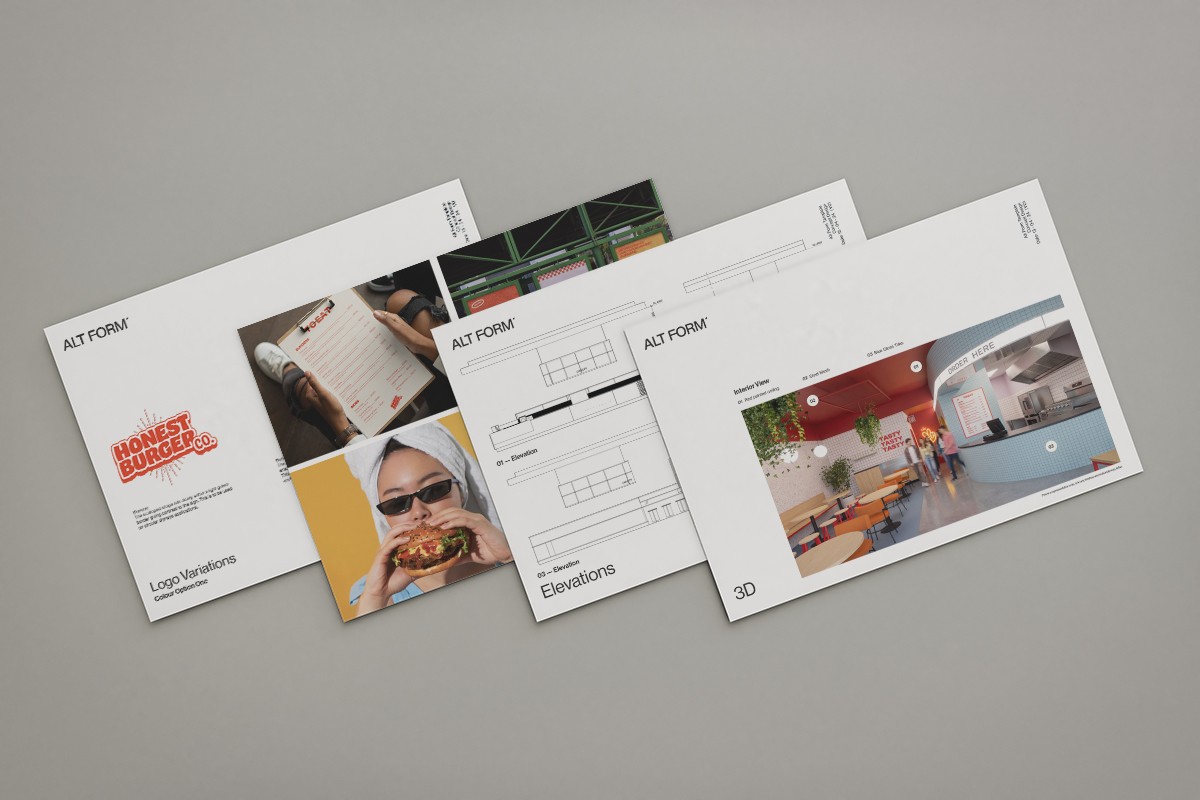
03 Developed Design a.k.a The Crawling Phase
With a visual direction set, we move faster to turn concepts into tangible outputs—like functional floor plans and renders showing selected materials and branding. We ensure everything fulfils your business purpose and creates a positive emotional connection with your customers.
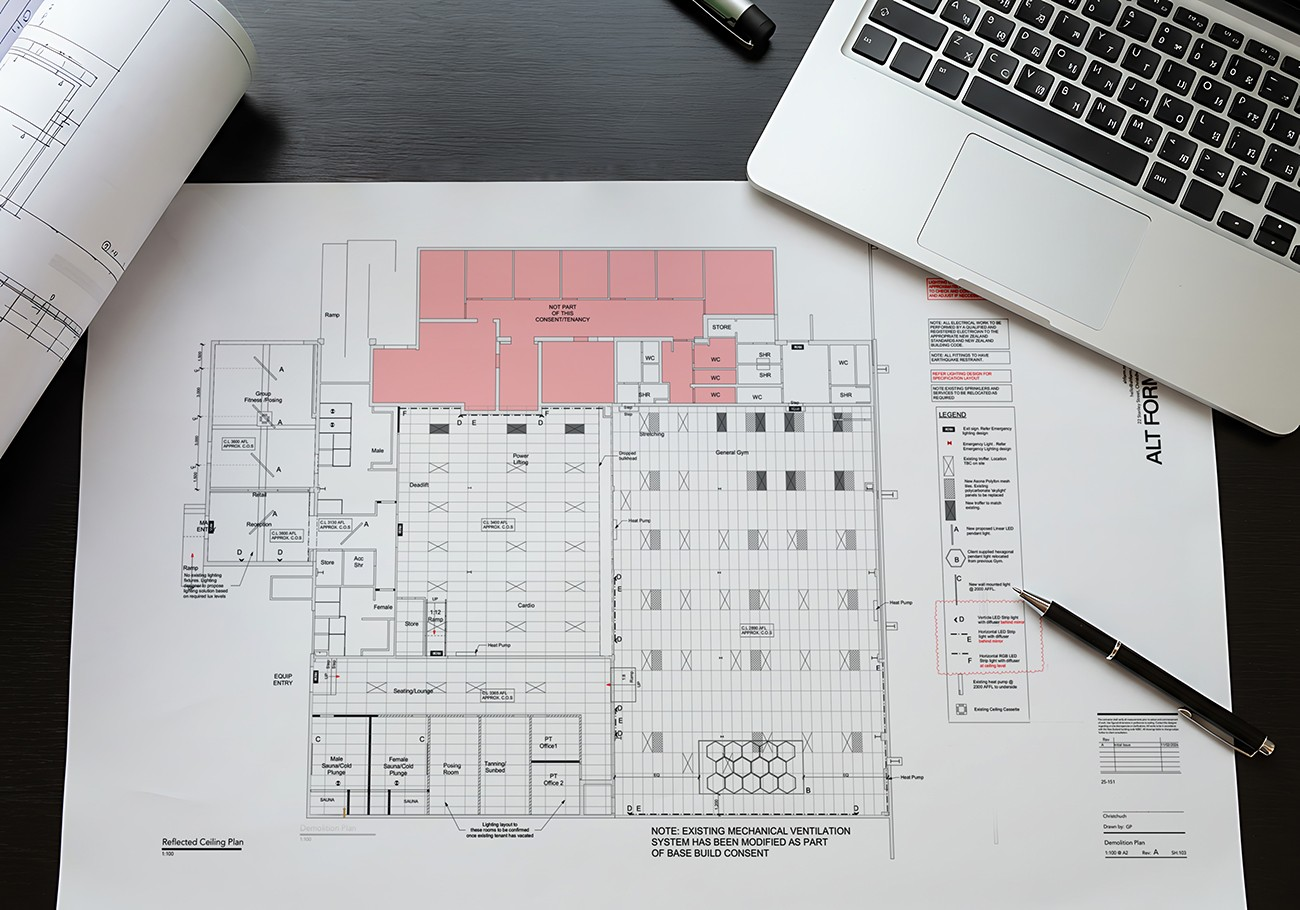
04 Detailed Design a.k.a The Walking Phase
We refine and detail every element for real-world execution. Collaborating with engineers, councils, and builders, we create cohesive construction drawings, navigate consent, and lock in pricing and timeframes to ensure a smooth path from design to delivery.
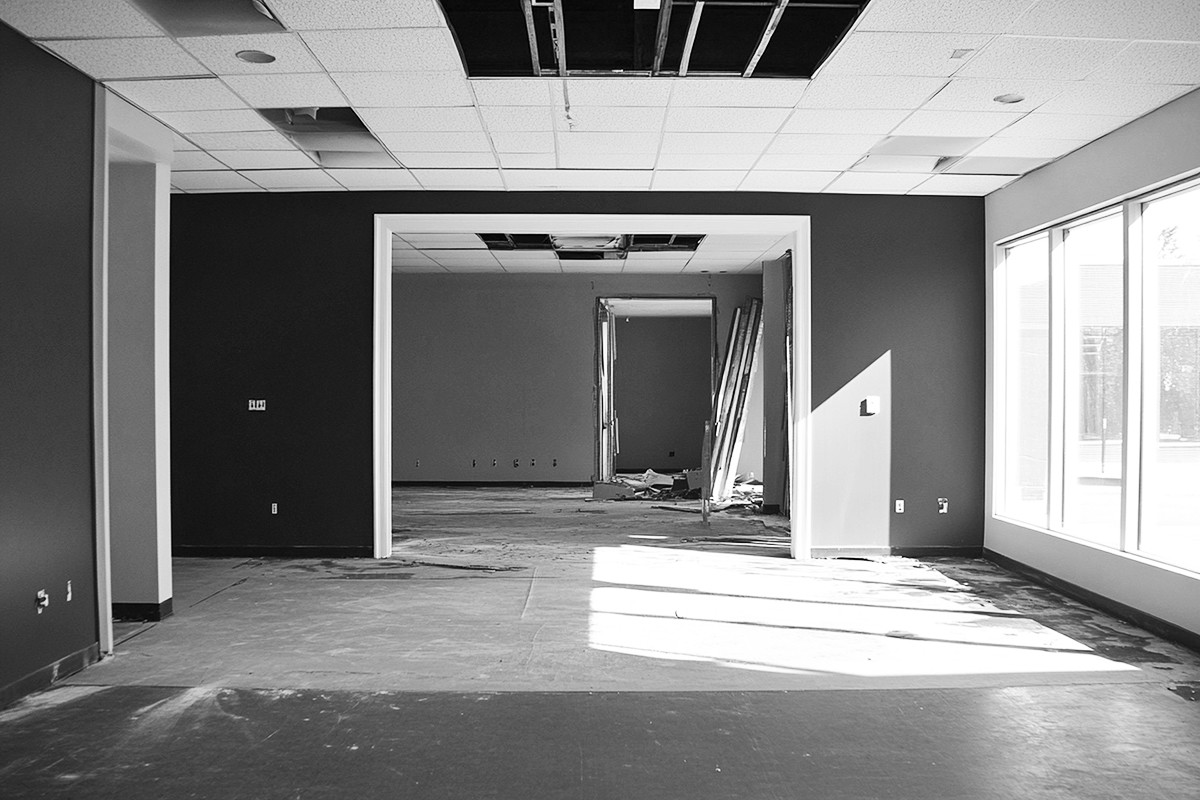
05 Construction Monitoring a.k.a The Running Phase
This is where it all comes together. We stay hands-on, supporting fit-outs, overseeing production, and integrating your brand across every touchpoint so what's built matches the vision as we sprint to the finish line with you.
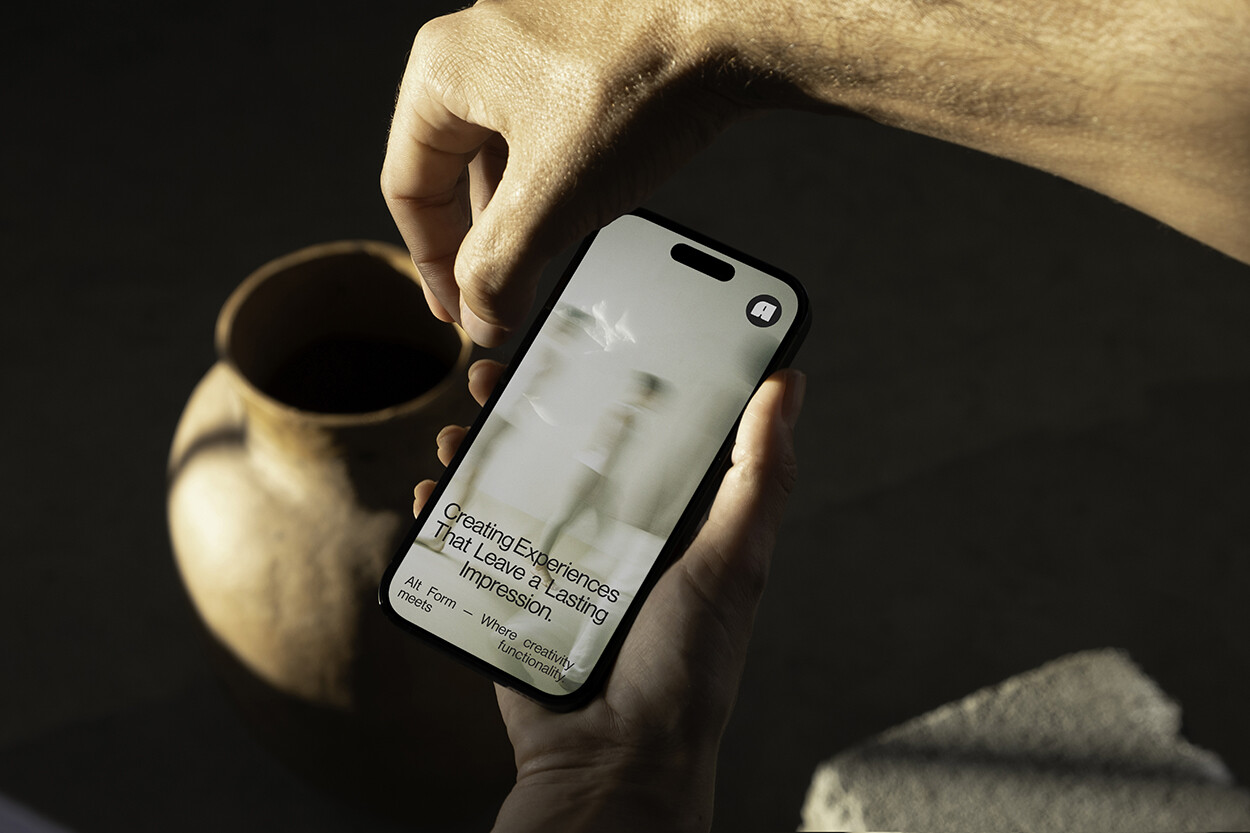
At Alt Form, the design process allows us to bring strategy, branding, and spatial design together to create brand experiences that people can see, feel and remember. From your logo to your space, from your brand story to the chairs people sit in, every element is crafted to be intentional and built for real-world impact.
Written by Laura Goddard | Designer at Alt Form | www.altform.nz
Related Articles


ALT
FORM

