
People choose your restaurant before they taste the food

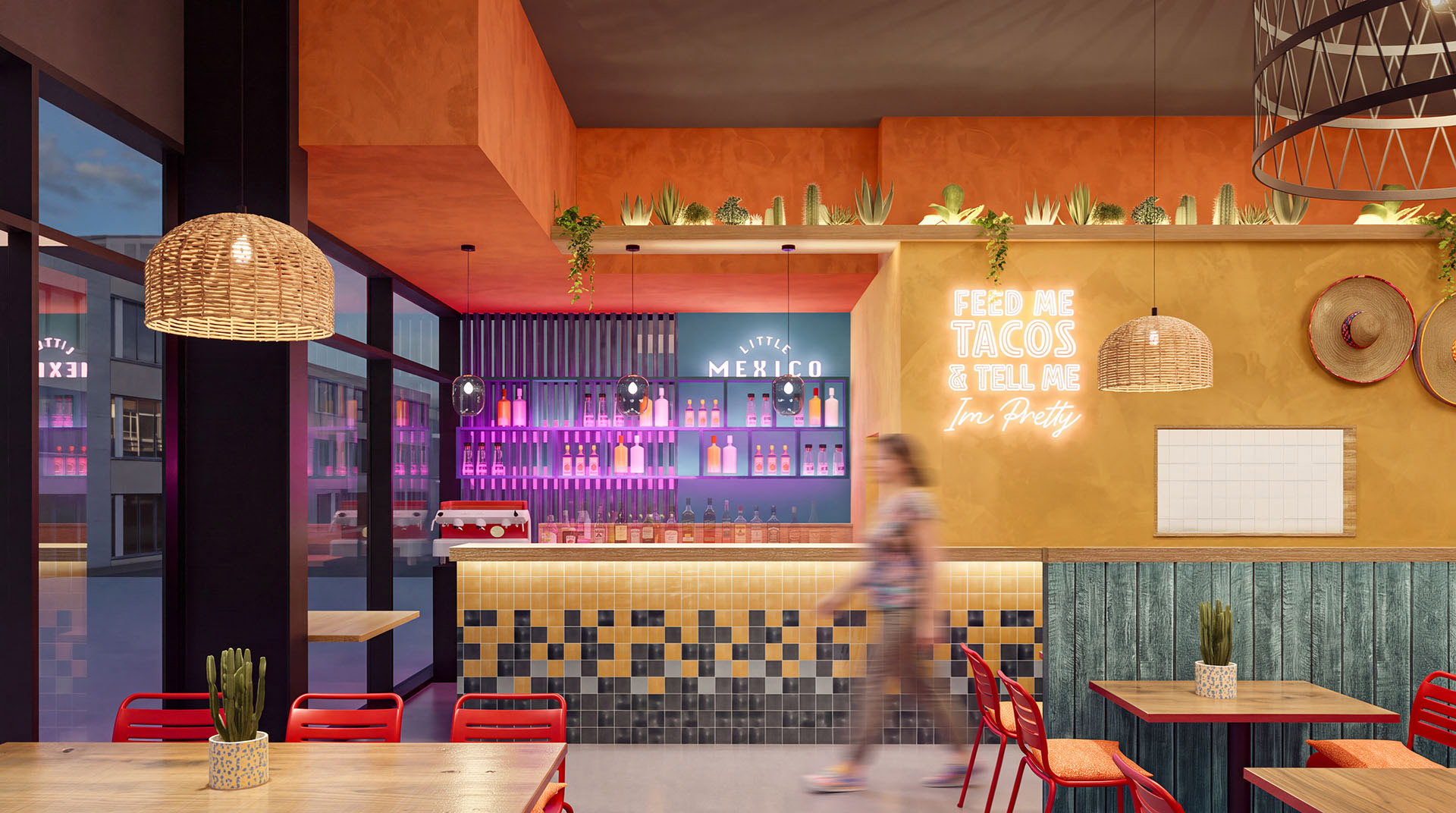
Good food used to be the whole job. Now it's just the price of entry. The market's crowded, margins are tight, and people have more choice than ever. So what actually decides whether someone comes in, and whether they come back, is everything wrapped around the food.
It really comes down to three things: who your customers are, how your brand comes across, and how your space feels. When those line up, you get a restaurant people choose on purpose rather than settle for.
Know exactly who you're talking to
This is the part everything else hangs off. If you're not clear on who your customer is, what they want and what puts them off, you're guessing at every decision after it. A fast-casual spot and a fine dining room are solving completely different problems, and the right answers only get obvious once you know who you're actually feeding.
Build a brand that connects
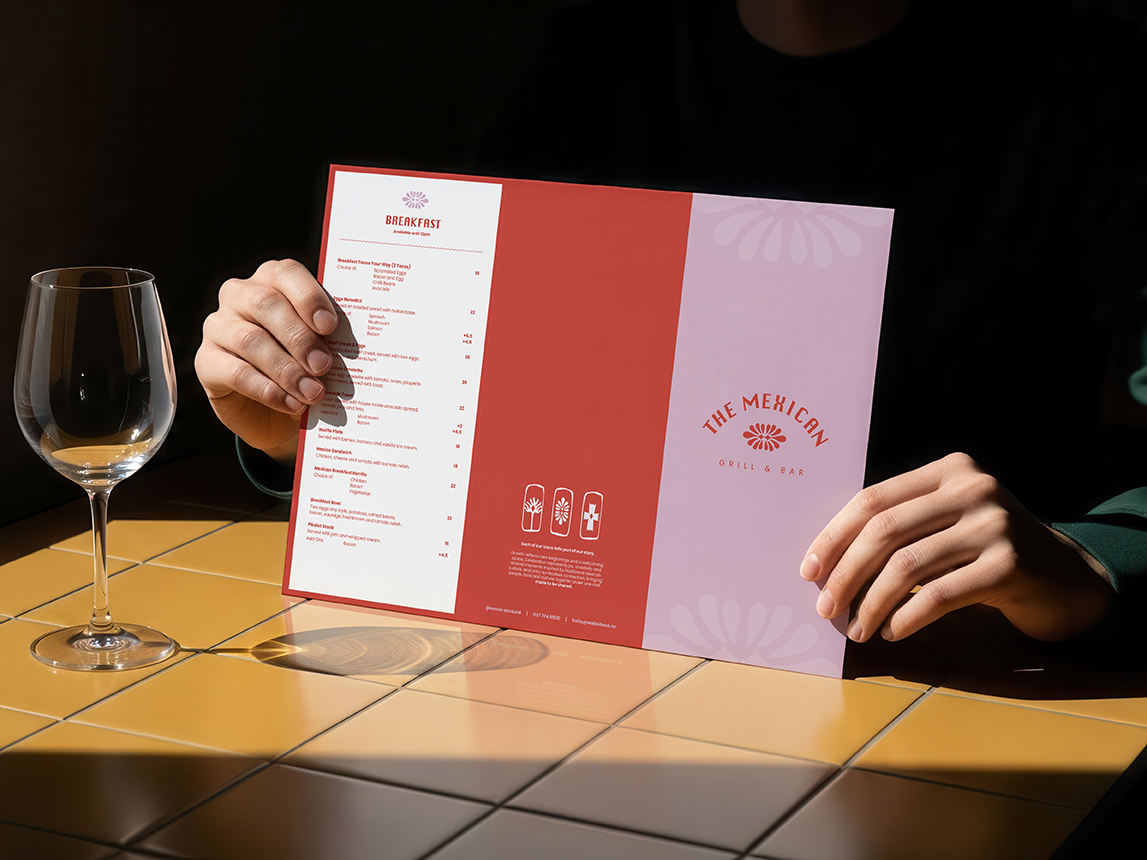
Your brand is more than a logo. It's the personality of the whole business, how it looks, how it sounds, the feeling people get from it. That's what they're connecting with when they choose where to eat, and it's why someone picks one place over the near-identical one two doors down.
Think of your brand like a person. How do they talk? What do they care about? Maybe you only use local produce, maybe sustainability is genuinely core to how you run things, maybe there's a good story behind why the place exists at all. Whatever it is, make it easy for people to see how you're different from the others nearby.
A strong brand quietly does a lot of the selling for you. It builds trust, it makes your prices feel fair, and it turns first-timers into regulars. A weak one leaves you competing on price, and discounting your way to loyalty never really works.
Make yourself easy to find, and easy to choose
Most people decide before they ever walk in. They check your website, scan the menu, read a few reviews and look at your photos, all before they book a table. So it's worth taking an honest look at how you come across online, and how you compare to the places around you. Where are they weak? What gap have they left open?
Then walk through it the way a customer would. How do they first hear about you? Can they find what they need in about ten seconds? Is booking easy? And when they finally walk in, does the room match the brand they saw online? Do that and the weak spots show up quickly, and most of them are cheaper to fix than you'd think.
The room does a lot of the talking
Your interior is the first thing people read when they walk in, before they've looked at a menu or spoken to anyone. A well thought out space shapes what they expect, how long they stick around, and how much they spend. A lot of the experience is decided right here.
The bit people tend to underrate is the plan itself. A mix of bar leaners, booths and loose seating gives you different experiences in the same room, and where you put them matters just as much. Nobody wants the table next to the toilets, or the one marooned in the middle of the floor. Screens and booths break the space up and make it feel more intimate. And a good layout isn't only about the customer. One that works for your staff turns more covers in a night with far less stress, and that goes straight to your bottom line.
Lighting sets the mood more than almost anything else. Warm, soft, dimmable light with deeper tones makes people settle in and stay a while. Bright white light does the opposite, which is exactly why fast food places use it to keep tables turning over. Sound works the same way. How long you want people to linger should decide how the room feels, and acoustics are one of the most overlooked tools for getting that right.
How it all fits together
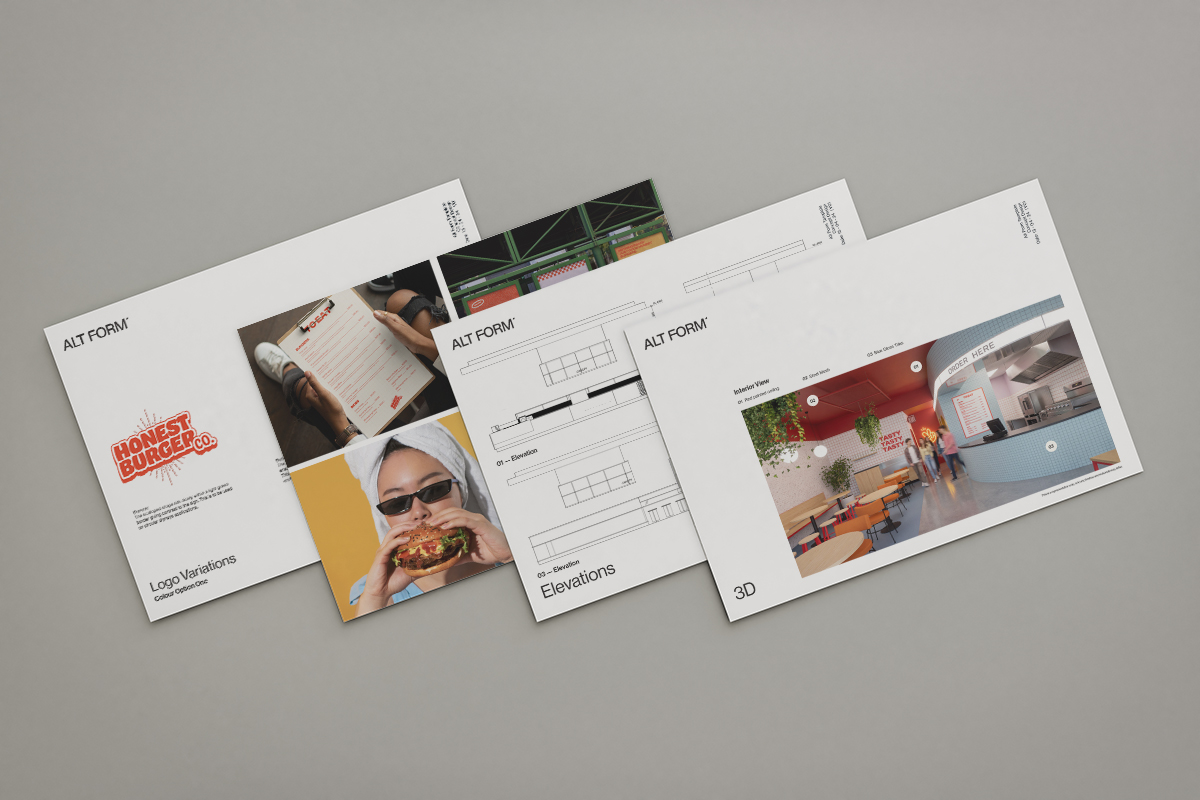
None of this works in isolation, though. Your brand, your space, and everything a customer bumps into along the way aren't separate jobs to tick off one by one. People take it all in as one thing, whether you planned it that way or not. So when your brand says one thing and the room says another, they feel it, even if they couldn't quite tell you what's off.
Which is exactly why we think these decisions are better made together. At Alt Form we handle the strategy, the branding and the interior design ourselves, so your restaurant looks right, sounds right and actually works.
For us, beautiful is just the baseline. The real work is designing a space that works hard for the business behind it. One that runs well for your team, feels right to your customers, and keeps earning its keep long after the fit-out's finished.
Thinking about your next space, or a refresh of the one you've got? Let's talk.
Related Articles


ALT
FORM

